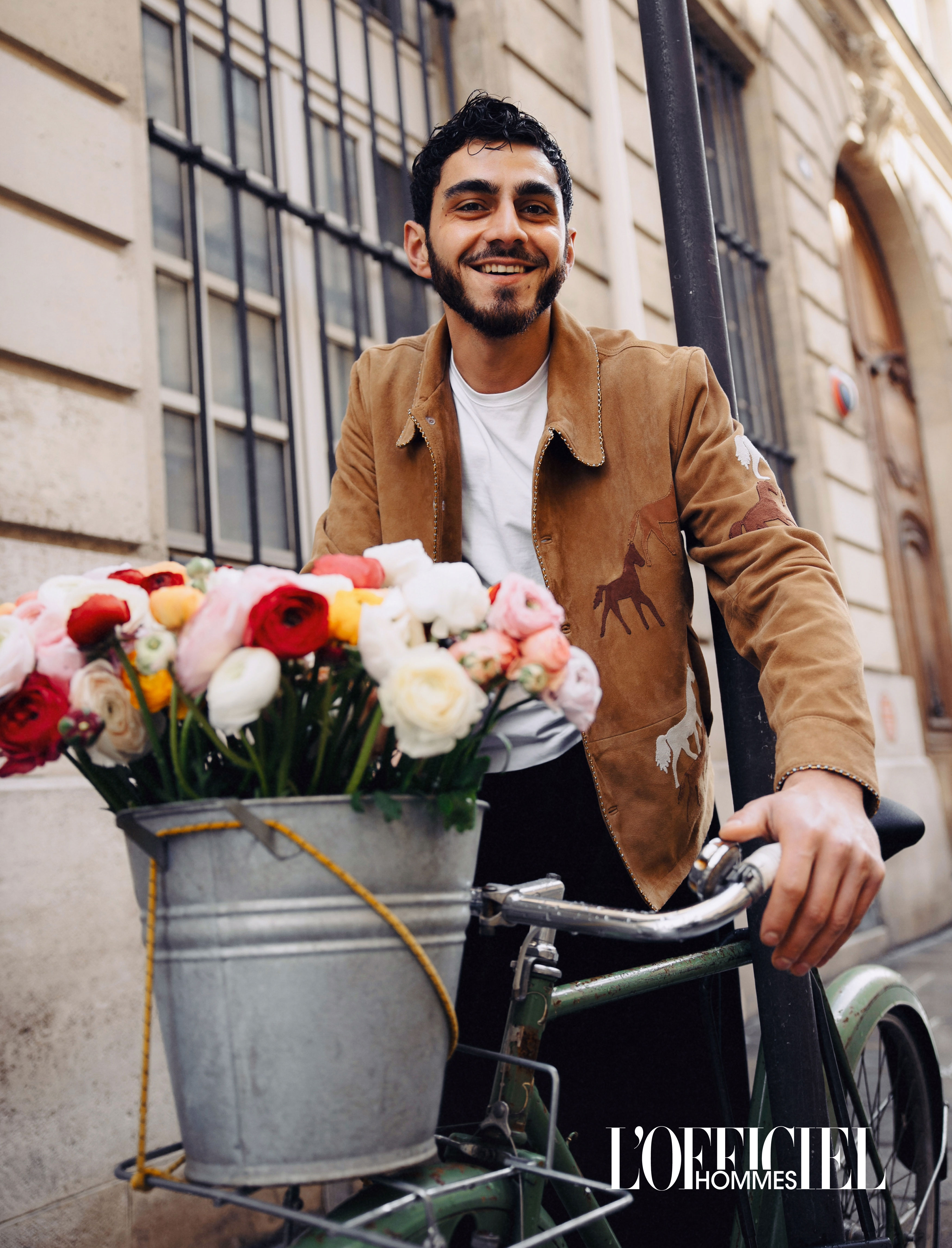
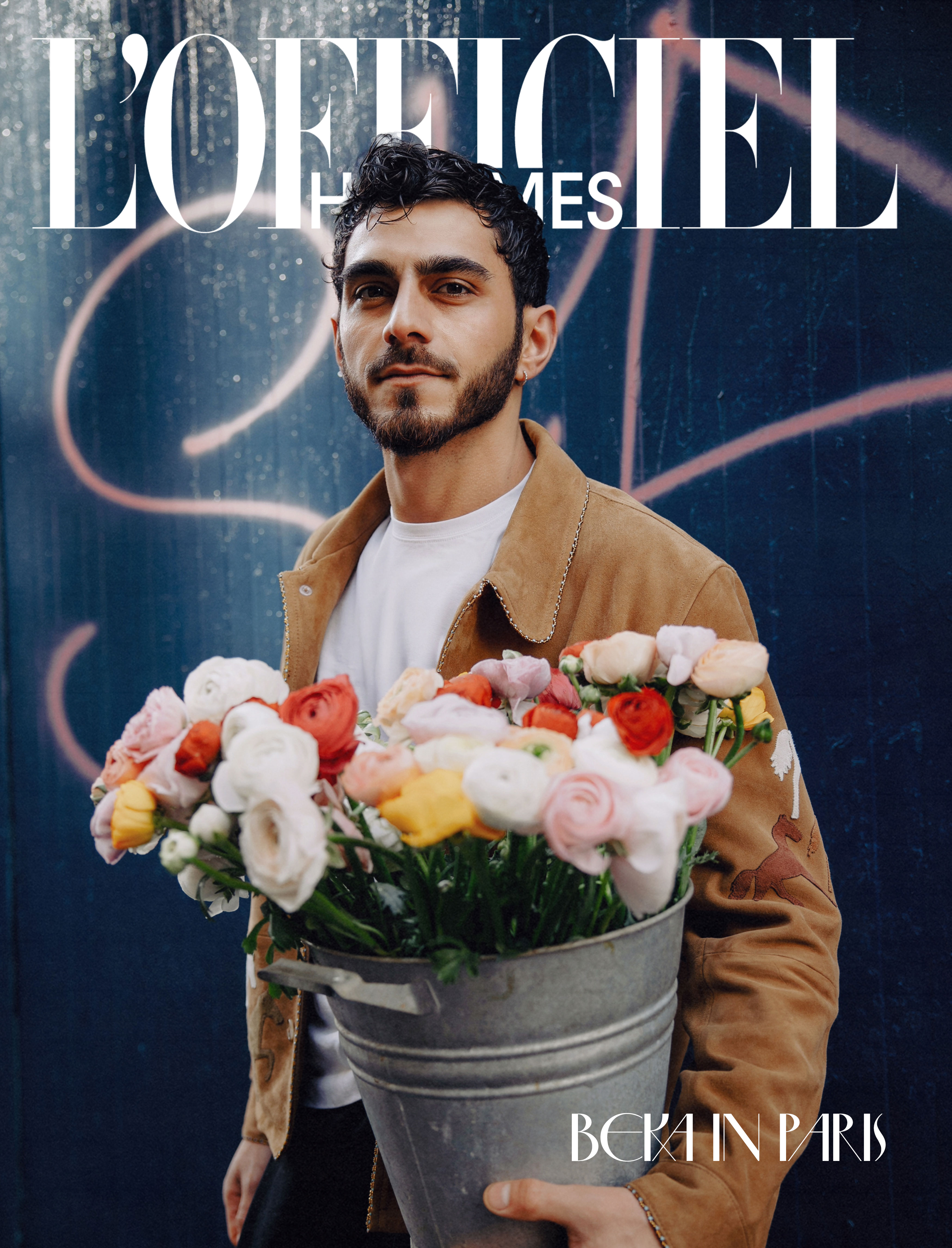
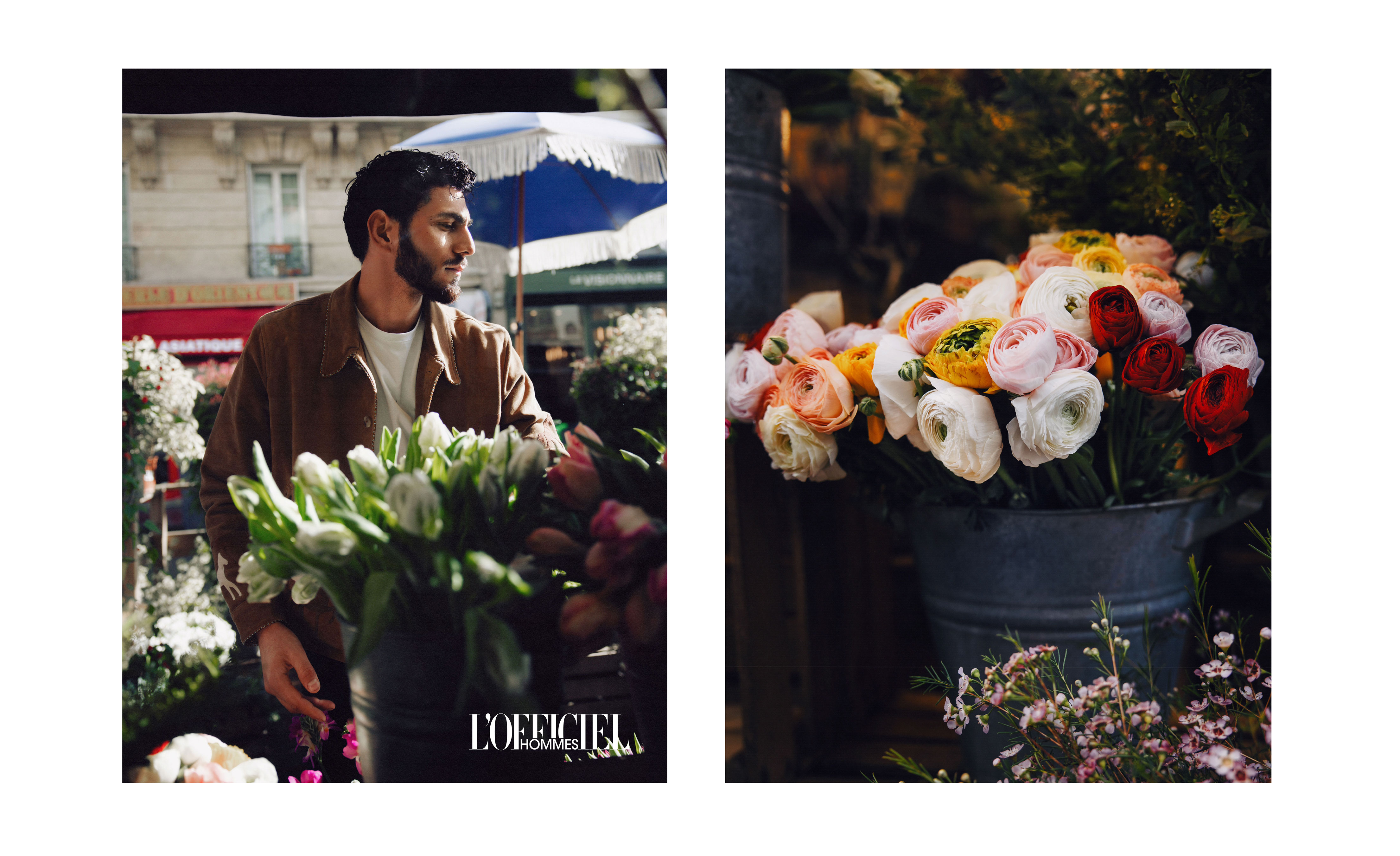
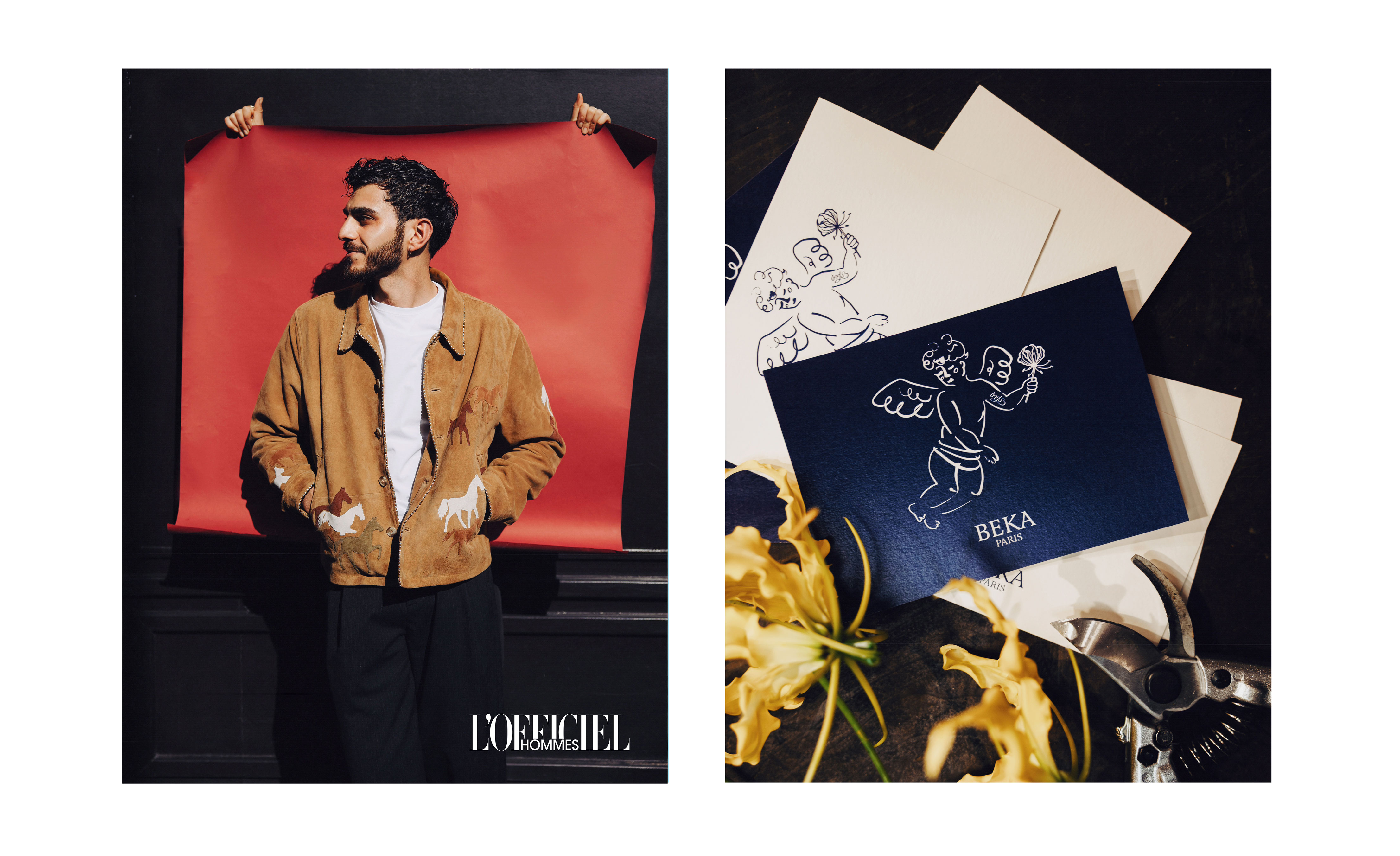
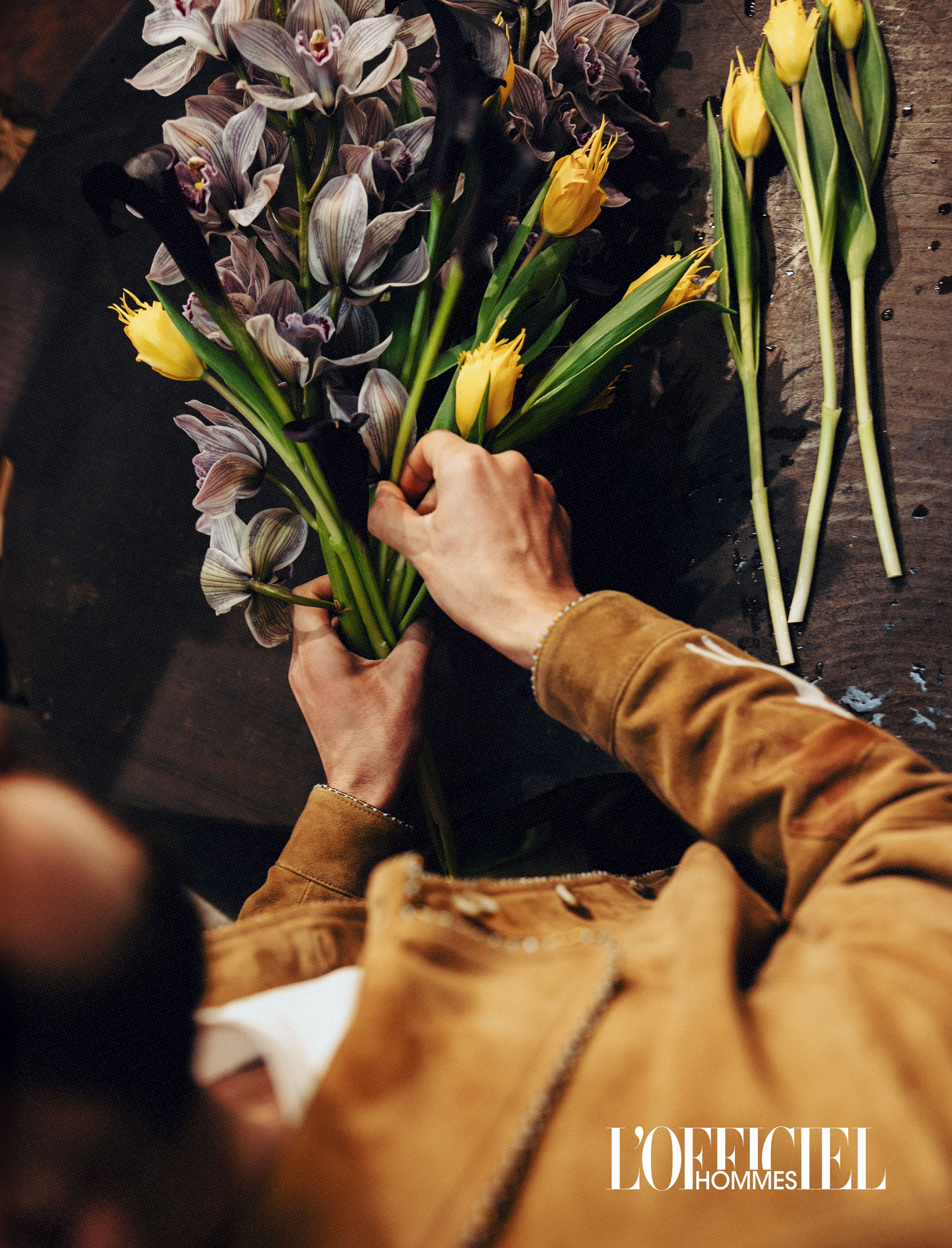
Beka Tsertsvadze, a 27-year-old Paris-based florist of Georgian origin, captivates both residents and visitors of the French capital with the beauty of his bouquets and the remarkable variety of flowers he offers.
Today, Beka not only creates refined arrangements for homes and special occasions, but also actively collaborates with fashion Houses, using the unique language of flowers to highlight the significance of each moment and create a sense of timeless beauty.
Who instilled in you a love for flowers?
My mother, unquestionably. She taught me how to care, not only for plants, but for living things. She had a quiet patience with flowers. And then there was my father, who would bring her bouquets. Through him, I understood that flowers are also a language a, gesture of love, of intention, of devotion. Between the two of them, I learned that flowers are both tenderness and statement.
When did you first come to appreciate the beauty of flowers, and why did you decide to pursue the floral business?
I began to appreciate flowers when I understood their power, not their beauty, but their emotional charge. Flowers can awaken feelings, shift perspectives. Receiving flowers changes something within you. It is never just a gesture, it is an intention, almost a silent confession. That depth fascinated me. I wanted to work with something that could move people without saying a word.
When and why did you move to Paris? What did you do at first?
I arrived in Paris in July 2018. Before that, in Georgia, I was exploring; searching for myself through different experiences. As a teenager, my dream was to become a journalist. I came to Paris simply to learn French. But the city altered my trajectory. It quietly reshaped my ambitions, expanded my vision, and redirected my dreams. I stayed and I am building something entirely unexpected.
How did your floral business begin?
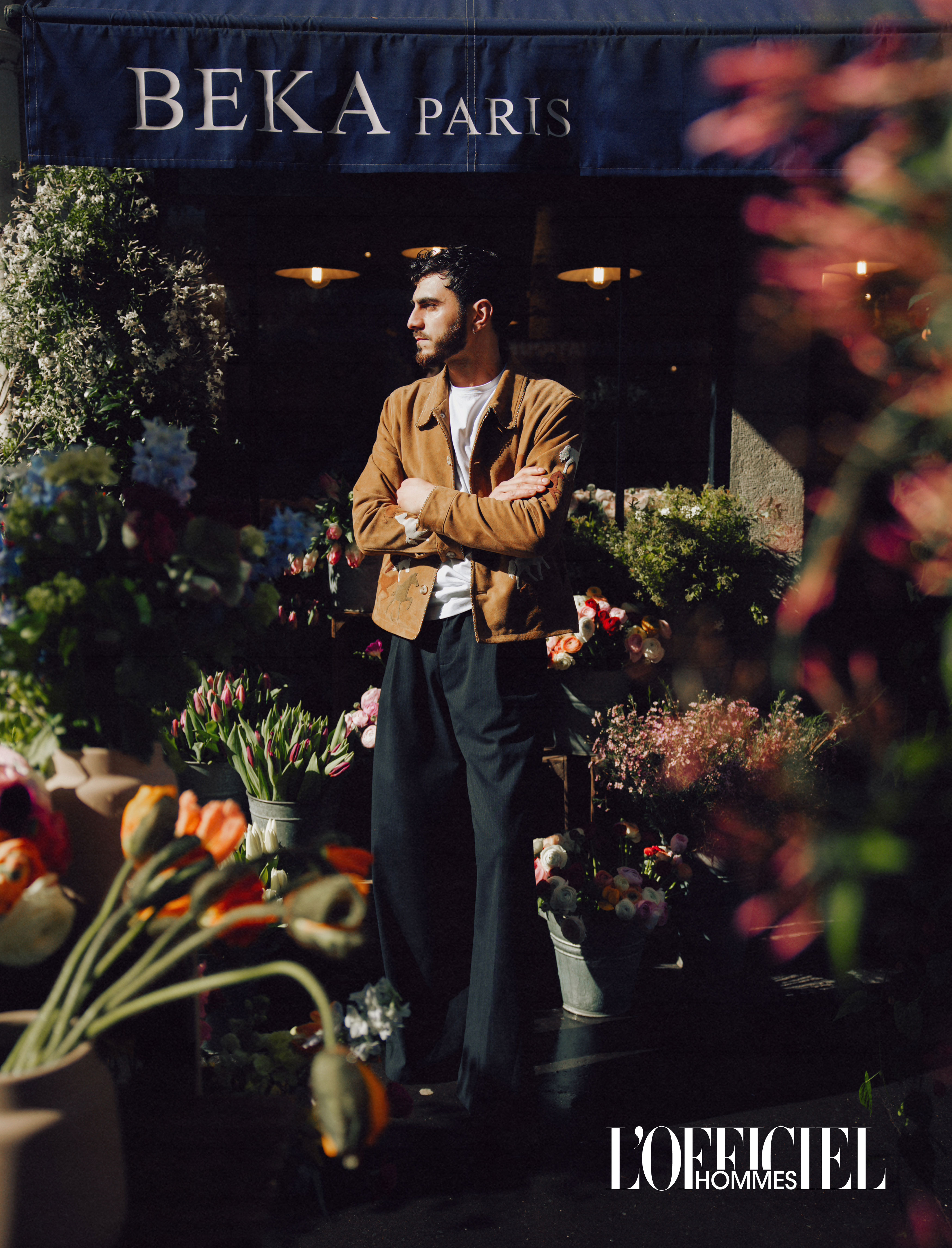
It was completely unplanned. At 23, opening a flower boutique was the last thing on my mind. I wanted to travel, to explore, to experience the world. I had even been recruited by an exceptional florist in London and was preparing to move. But life had other plans. Almost by accident, I opened my own boutique in Paris instead. In a way, Paris worked its quiet magic on my professional destiny.
There are hundreds of flower shops in Paris, yet yours stands out for its beauty, approach to bouquet composition, and flower selection. What do you think sets your shop apart, and what unique touch have you brought to it?
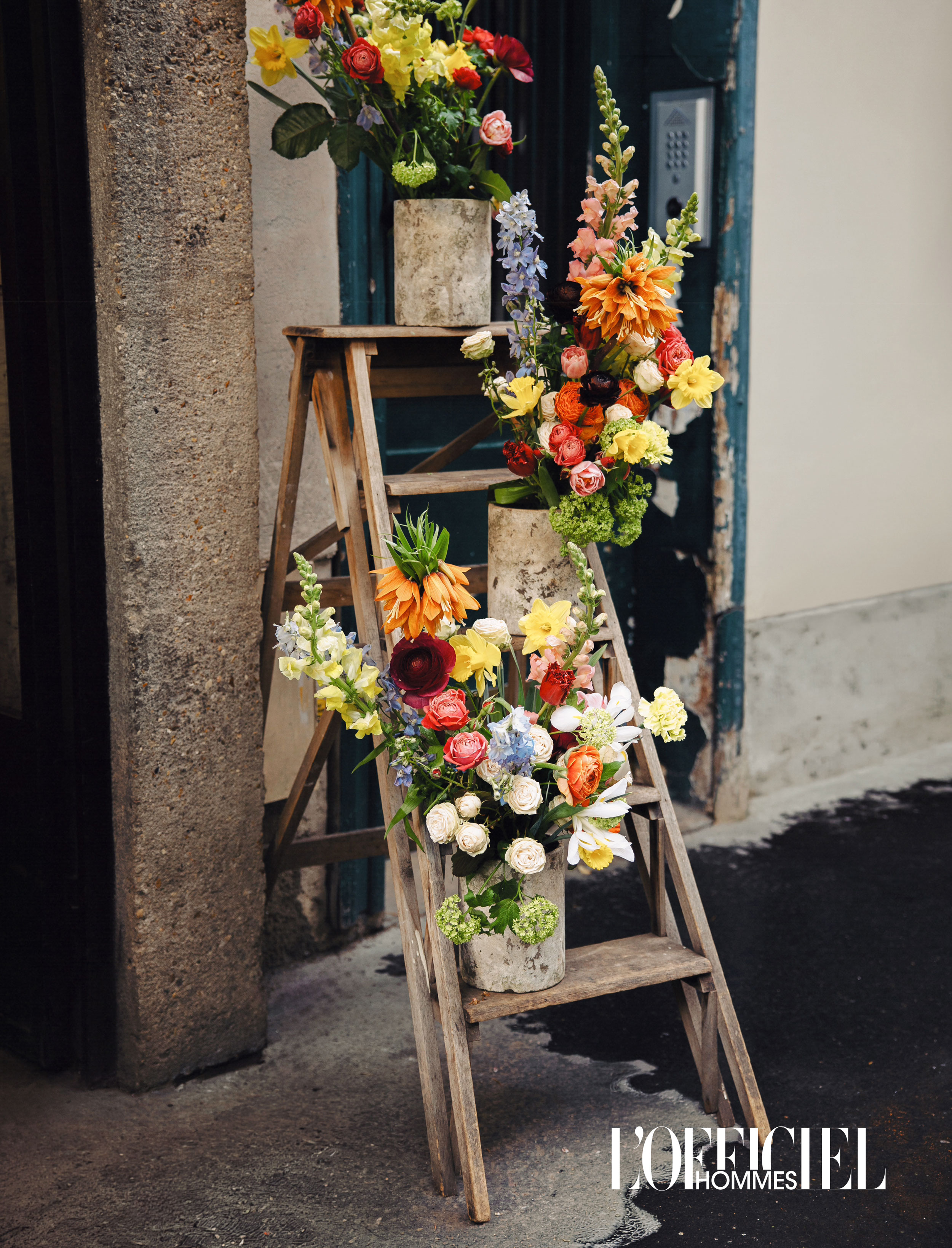
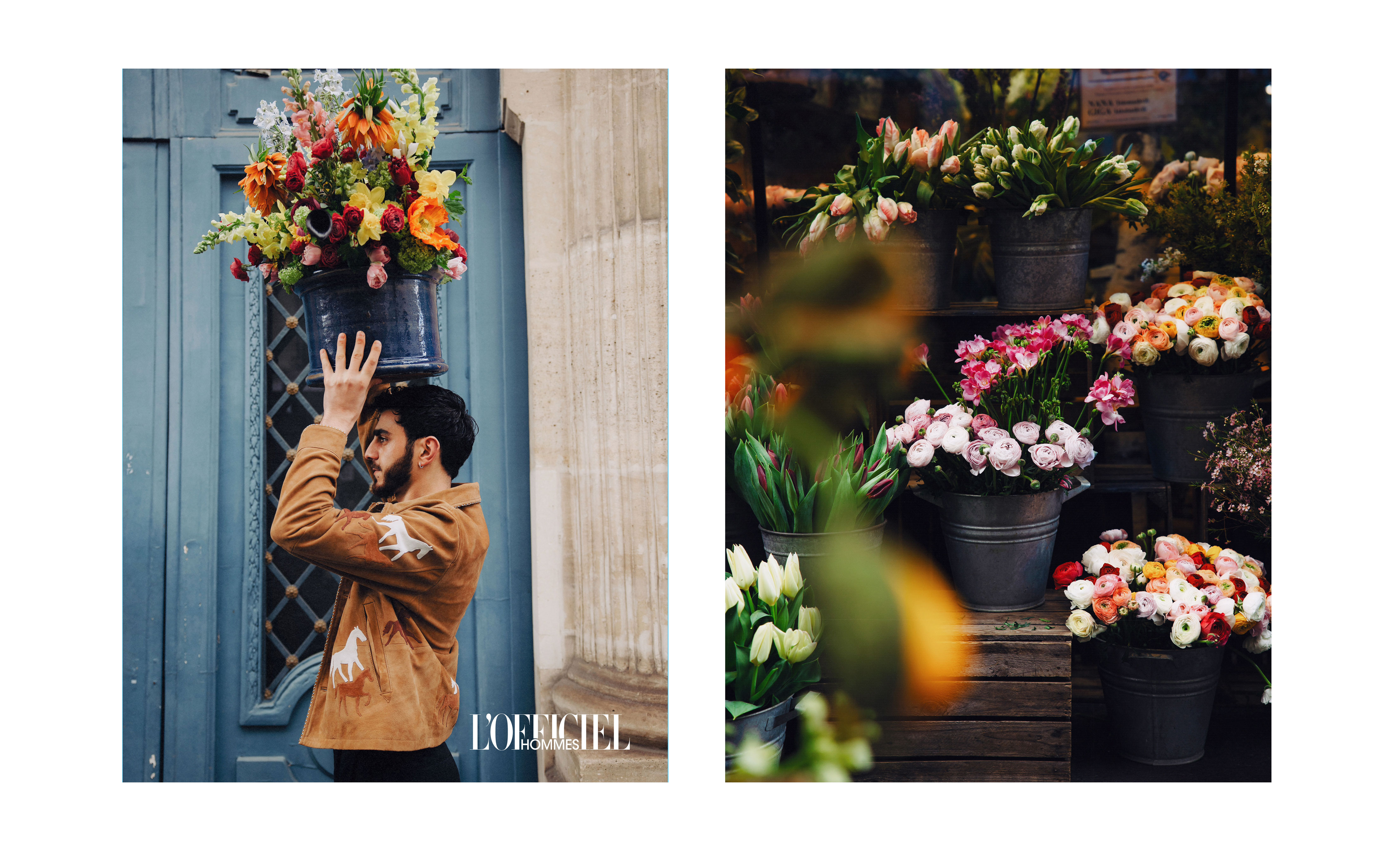
Paris has many flower shops, but I never approached floristry as retail, I approach it as composition. Some people are naturally sensitive to nuance to the tension between colors, to the way a stem bends, to the balance of negative space. For me, this attention to detail is instinctive. I don’t overthink it; I feel it. Perhaps what sets my work apart is that nothing is forced. The harmony comes naturally and I think people respond to that sincerity.
How do you develop your business? Please tell us about your work with fashion brands as well.
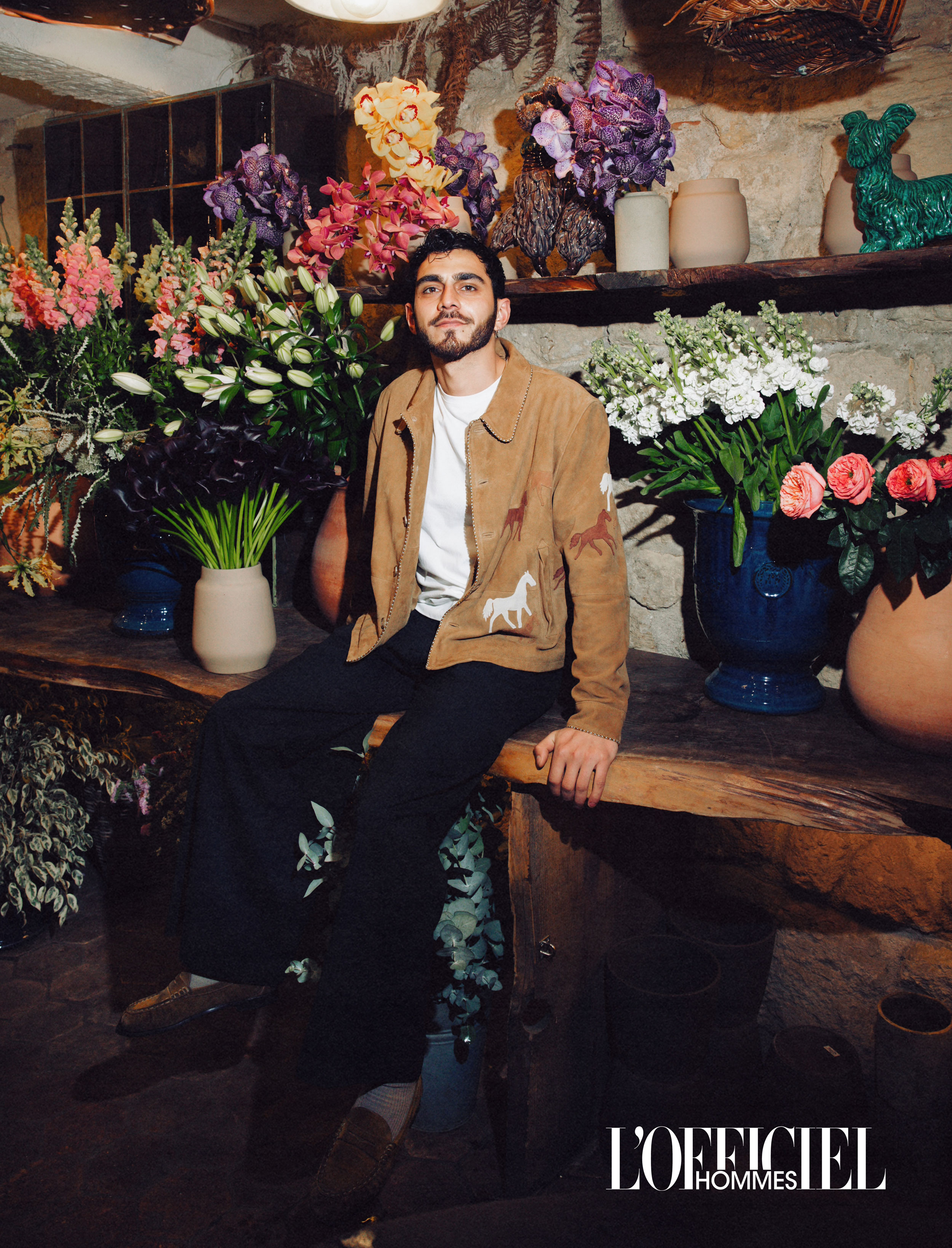
I have never pursued aggressive growth. The atelier has developed mostly through word of mouth, which I value deeply. We have had the privilege of working with major fashion houses. including contributing to a Balenciaga show. which was a true honor. Many of our collaborations remain confidential. Discretion is essential in our field, and I consider that trust one of the greatest recognitions of our work.
In Europe, is it customary to give flowers to men? Which flowers could be considered masculine?
In Europe, traditions still exist, but they are evolving. I have many male clients who buy flowers for themselves not for a partner, but for their own home. They are simply sensitive to beauty. For me, flowers are not about masculinity or femininity. They reflect personality. Some men prefer something minimal and sculptural; others are drawn to softness and abundance. Ultimately, it is not about gender, it is about sensibility.
Do you have flowers at home, or is it enough for you to be surrounded by them at work?
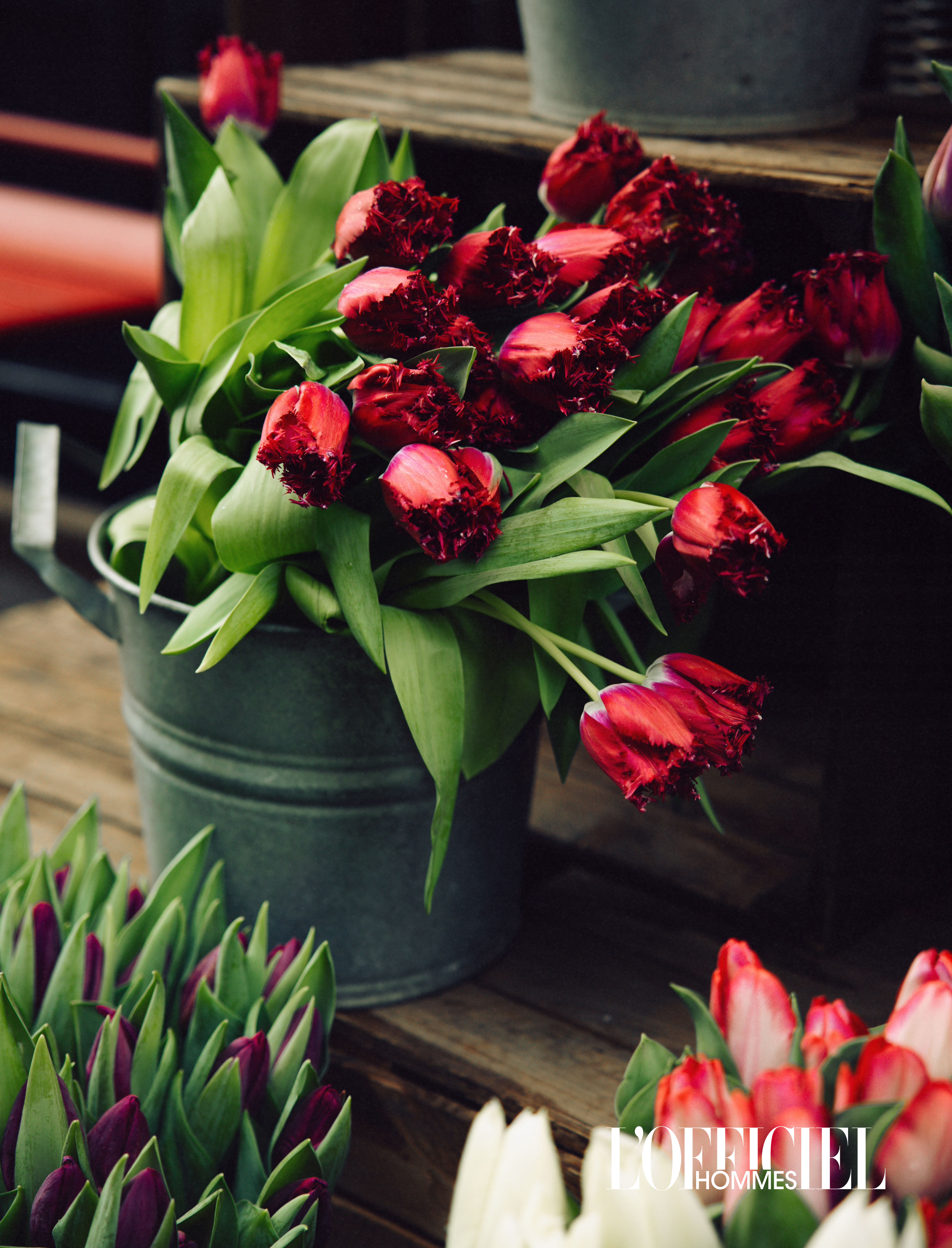
Very rarely, perhaps twice a year. I live in flowers all day long, so at home, I allow myself to forget who I am. My space is intentionally minimal. It is my way of resetting a quiet contrast to the intensity of the flower shop.
What is your favorite color and flower?
I am naturally drawn to soft, muted tones, delicate palettes that feel quiet and refined rather than loud. As for flowers, it changes with the season. I love violets for their humility and subtle fragrance. I adore poppies for their fragility and movement. And peonies — they are undeniably regal, almost theatrical in their beauty.
Which bouquet do you consider ideal—and why?
An ideal bouquet is not defined by the flowers themselves, but by the person you wish to receive it from. That is what makes it perfect. When a bouquet is truly meaningful, it takes your breath away. For a brief moment, you are suspended disconnected from everything else. Even as a florist, I can still be surprised by beauty. And when that happens, I know the bouquet is ideal.
Do you have a dream project related to floristry that you would like to bring to life?
I would love to create a large-scale floral installation in a historic space something immersive, almost cinematic. A project where flowers are not decoration, but architecture. Where people walk through emotion, not just observe it.
How does Paris inspire you as an artist and entrepreneur?
Paris is an infinite source of inspiration. You only have to get lost in a street, observe a façade, watch a stranger pass by. Inspiration is everywhere; in the light, in the architecture, in the attitude of the city. As a florist, I find references in the smallest details. As an entrepreneur, I am constantly stimulated by the energy and ambition that surround me. In Paris, inspiration is endless, if you know how to look.
Are there places in Paris where you go for inspiration—museums, markets, gardens?
I find immense inspiration in vintage markets. I am fascinated by objects with history their textures, their patina, the stories they carry. Museums, of course, are essential. And Parisian gardens so composed, yet poetic which always remind me of balance and proportion.
What has been the most touching or memorable order you have ever created?
One of the most memorable moments was at the very beginning, just after I had taken over the boutique. A girl who had been quietly following my work entrusted me with her own wedding at the Ritz, a grand celebration with many guests and immense pressure. She believed in me completely and gave me full creative trust. At that stage of my career, such confidence was not only moving it was transformative.
What does art de vivre mean to you today?
For me, art de vivre — it is attitude. It is the ability to live with elegance, to choose refinement instinctively, to understand that beauty is a discipline.It is not about excess. It is about standards. And once you understand that, life itself becomes a form of art.
When do you feel truly happy?
I feel truly happy in moments of authenticity. When I am surrounded by people I love, when conversation is sincere, when there is no performance. Happiness, for me, is not loud. It is quiet and full. It is the feeling of being exactly where I am meant to be, without needing to prove anything. Those are the moments that stay with me.